
I have made many as a marketing manager, I have seen many as a director and I have guided many as a certified trainer/black belt. A3 Problem Solving Reports are important, can be very powerful but using them well can be hard. Below the most common mistakes and pitfalls I see. Some of them are about the form, many are actually more about the process.
Also have a look at Why Most Problem Solving Fails Before It Even Starts
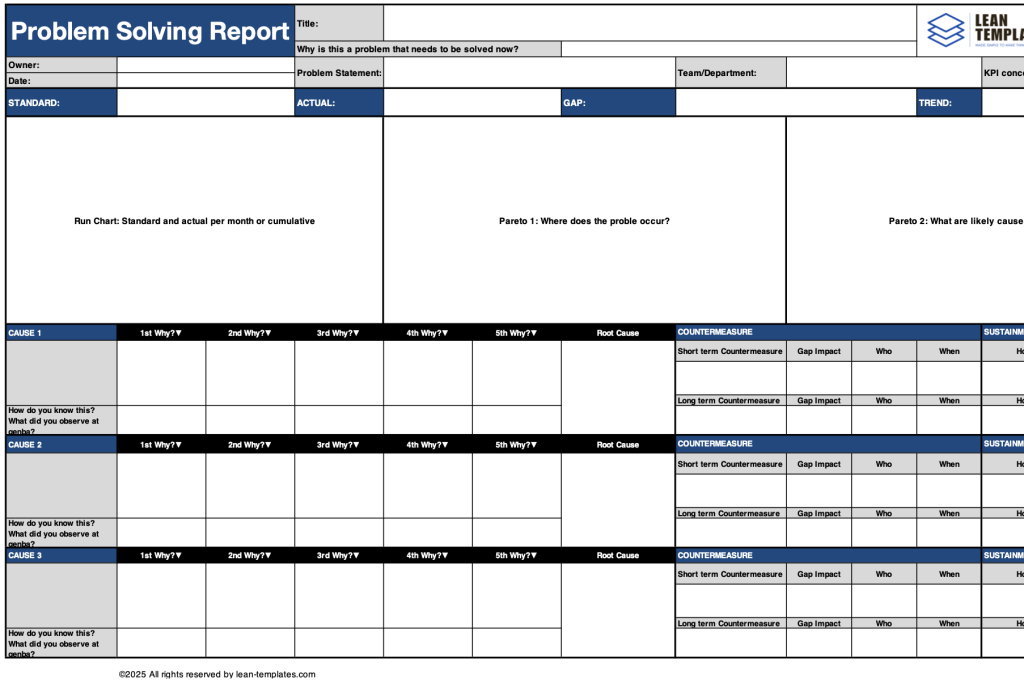
1. Starting with the solution in mind
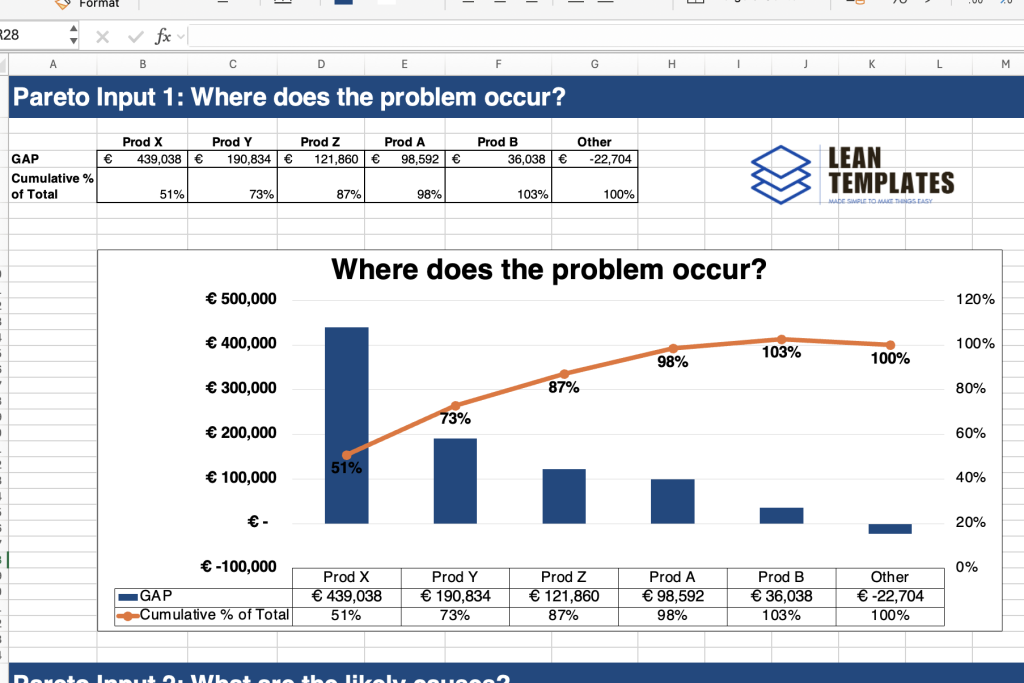
Typical process failure. We need a new CRM, let’s build a problem solving report to show to leadership that our current funnel is bad and get the budget approved. Big red flag: since you know you need a tool, did you really investigate the underlying problem. How sure are we a new CRM will up our sales? Isn’t there something wrong with our Funnel Management process, do we have a discipline issue when it comes to Daily Management? Is marketing not contributing enough to the top of the funnel?
Only when you really know what’s going on, the solution becomes evident. Typically you would spend two times more time investigating a problem than solving a problem.
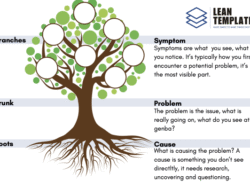
2. Focusing on symptoms, not on problems and causes
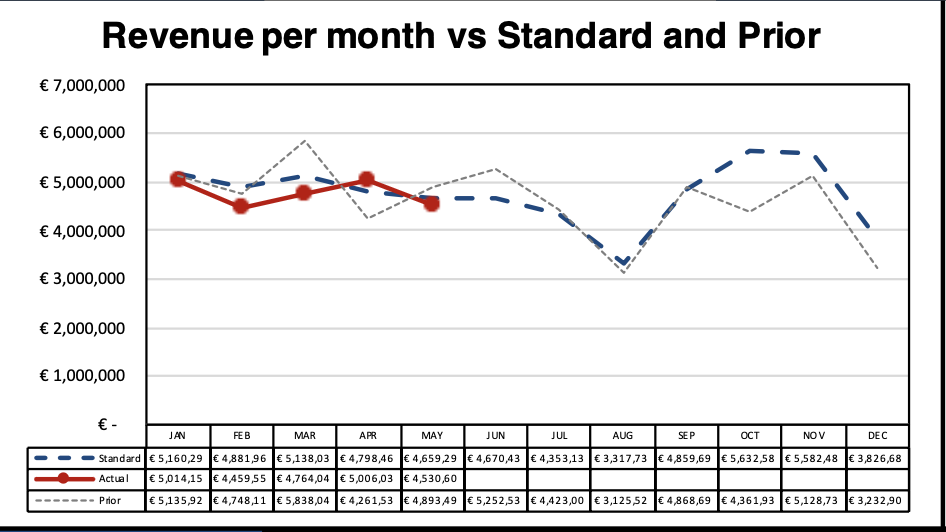
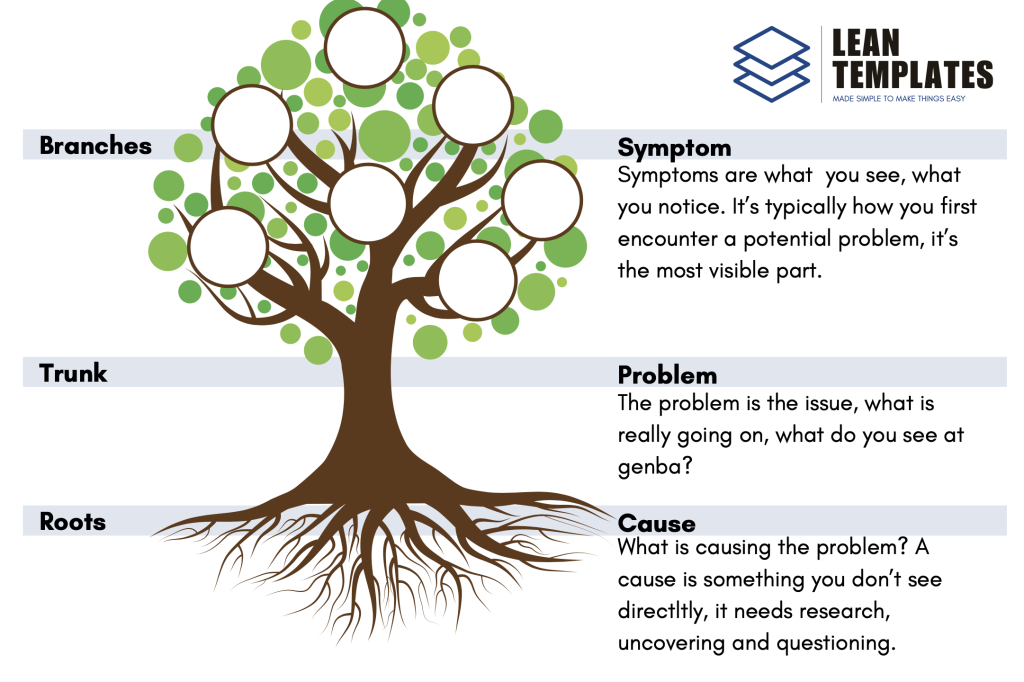
What are we discussing? What are we seeing? A symptom is something you observe, something you can notice: customer complaints going up, sales going down, deliveries running late, backlog building… But it’s typically the result of something. A symptom tells you there’s a problem, a problem with potentially different causes. Taking an aspirin for a headache doesn’t solve the underlying problem. Certainly is you symptoms coming back – you have a real problem.
A great way to visually separate symptoms, problems and (potential) causes is the Problem Solving Tree.
3. Not going to gemba
There’s a reason a good detective starts at the scene of a crime when he wants to understand what is going on or what has happened. Only on the place where the problem manifests itself can you get clues to drive a better understanding. In our problem solving, we should always look for gemba evidence as we move from potential causes to root causes. Be specific on what you are seeing and what the real evidence is at gemba. Gemba is not a spreadsheet, a call with Mike from Sales or an email from a frustrated product manager looking to get a new project approved. Gemba is where the customer is, where your product is used, where your team makes something. Go and see!
4. Confusing root causes with opinions
I once worked for a company where we used to joke around, certainly when reviewing KPIs and A3 Problem Solving Reports.
In God we trust, all others bring data.
Not looking to offend anyone here, but it shows that everyone, including the CEO needs to make sure that all statements when presented as a fact should be based on facts. You can’t solve problems by opinions. “Sales is lazy, we just need more discipline”. “Marketing has no idea what they’re doing”. These are not facts, these are definitely not causes. They might be interpretations of observations. And yes, using your gut and intuition can help drive direction, but please stick to the facts.
5. Trying to solve everything at once
I you come up with 20+ actions to solve a problem, you might have too wide a view. Also: you don’t solve a big organisational problem through one A3 Report, nor do you solve world hunger.
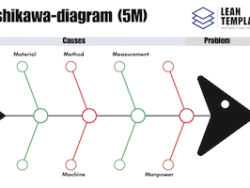
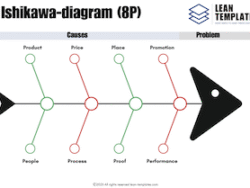
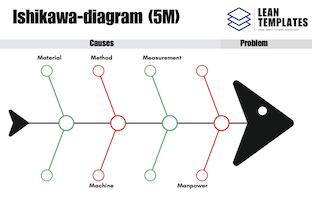
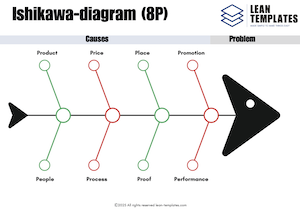
The idea is that you zoom in, you build clarity with the help of a tree and a fishbone. You investigate, you experiment and you solve. Easy.
Also: every problem has a solution, if not, it's just a circumstance. And you need not worry.
6. Not ensuring improvements are built in the process
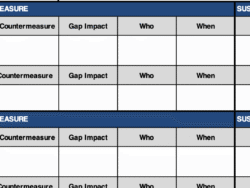
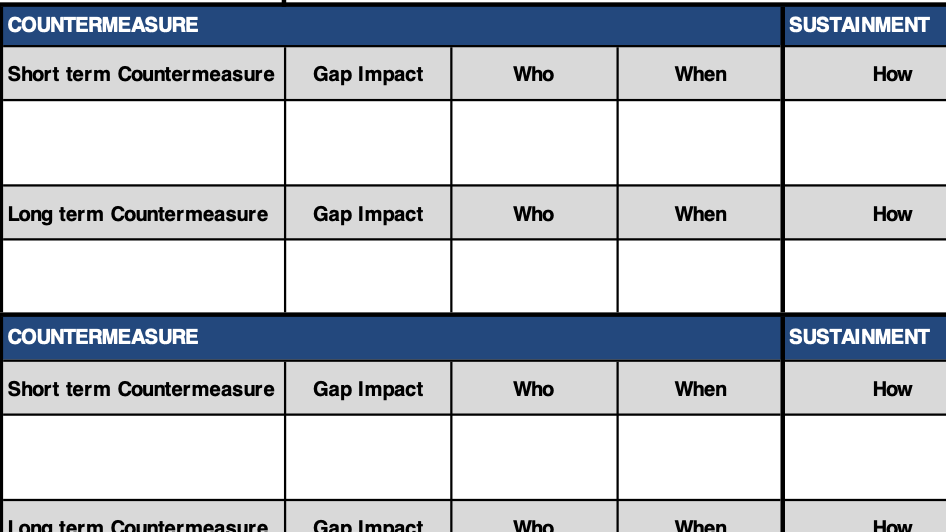
When (finally) being able to come to countermeasures and actually start solving your problems, make sure you balance short and long term actions. Short term countermeasures can be needed to stop the bleeding. This is about running a promo when your revenue is down. It might bring revenue back, you can do it quickly, but it’s costly. Also, when the promo stops, good chance the revenue drops as well.
Short term countermeasures exist to stop the bleeding and usually operate at the level of the symptom, not the real rootcause. They are quick, costly and often very effective, they are just not sustainable.
What we look for when doing an A3 Problem Solving process is that we want to eliminate problems for ever. When addressing the rootcause, the solution typically lies in changing the way you work, stop doing things, start doing things or updating a process.
To be able to reap the benefits of your actions, make sure everything is embedded in the process, it’s part of the new Standard Work and it’s locked in with all the people that need to know and need to work with it.
7. Not building in sustainment
A big thing I unfortunately still see with a lot of teams is that the energy is there when numbers (revenue, quality, delivery) are heading in the right direction but fades very quickly. When the newness wears off, we tend to go the next shiny object, the next project or the next problem.
The key to proper problem solving sits in the sustainment. While developing the countermeasures, you need to think about and plan for sustainment. One piece is to ensure everything is embedded in Standard Work. The second thing is to make sure you follow up with everyone involved to look at whether the countermeasures are working, you are seeing an impact on the actual problem and everyone is able to work with it.
It’s best to have a weekly cadence for at least 90 days after implementing a countermeasure where you 1) ensure you follow up on the action plan and implementation but 2) monitor the impact, the persistence and the absence of any unwanted side effects.
Make sure you don’t make any mistakes, let us know if you need any help!
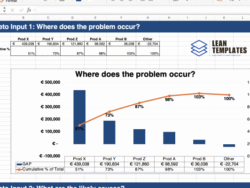
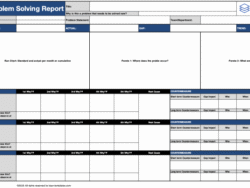
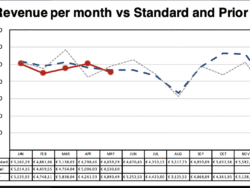

A3 Problem Solving Template Bundle
The complete toolkit for structured problem solving in Lean. Includes editable A3s and ready-to-print PDFs.